Recovery optimisation,before, during, and after
Recovery is part of the operation, and often the part that determines what the patient actually feels six months later. It is built on the conventional, evidence-based foundation: structured physiotherapy, objective functional testing, and conservative bridges such as the unloading knee brace. Professor Lee then adds the optimisation layer on top, prehabilitation, sleep, strength, nutrition and the Regen PhD systems thinking, so the well-proven fundamentals work as hard as they can.
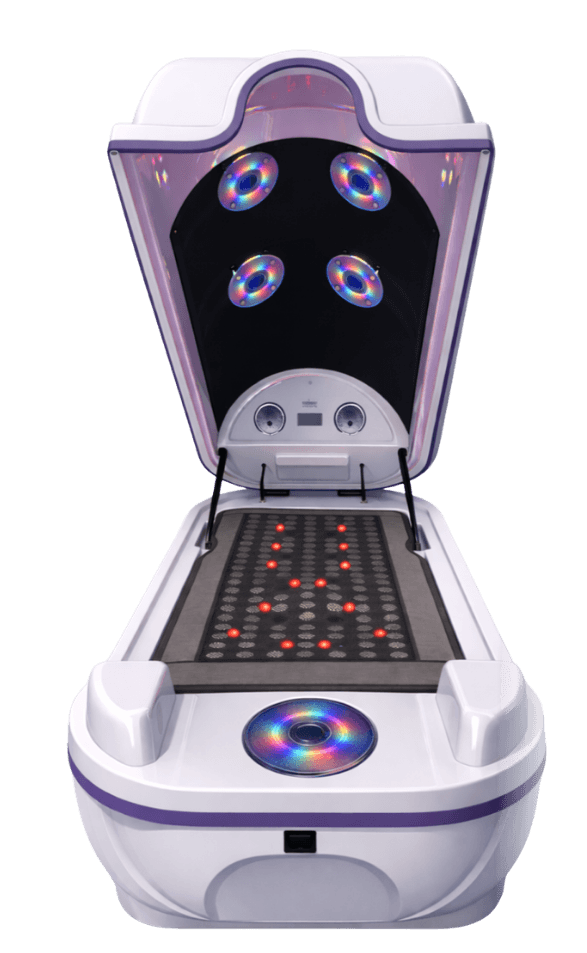
Recovery is part of the operation, not after it.
The result a patient feels is built across the months that follow, not the hour on the table.
The recovery layer, the part most patients underestimate
Two patients can have the same operation, performed by the same surgeon, on the same day. What separates their outcomes six months later is rarely the operation itself. It is what happened around it. These are the inputs that actually move recovery:
Sleep
Tissue repair is overwhelmingly an overnight process. Poor sleep does not slow recovery, it reshapes it.
Nutrition
Protein, micronutrients, anti-inflammatory load. Not a diet plan, a tissue-repair input.
Strength
The muscle envelope is what protects the joint long-term. Recovery without strength rebuilds nothing.
Loading
The right amount of force, applied at the right time. Too little and the tissue does not remodel; too much and it is reinjured.
Inflammation control
Acute inflammation is repair; chronic inflammation is sabotage. The difference matters.
Mental load
Stress hormones interfere with tissue biology. Recovery includes the nervous system, not just the joint.
Evidence-based rehabilitation comes first
Optimisation is not a replacement for proper rehabilitation, it is what makes proper rehabilitation work harder. The foundation is conventional and well-proven: structured physiotherapy, objective testing, and conservative measures such as the unloading knee brace that can delay or avoid surgery where the evidence supports it.
Structured physiotherapy
Evidence-based, criteria-led rehabilitation across the prehab and post-operative pathway. The well-proven foundation that every optimisation layer is built on.
Objective functional testing
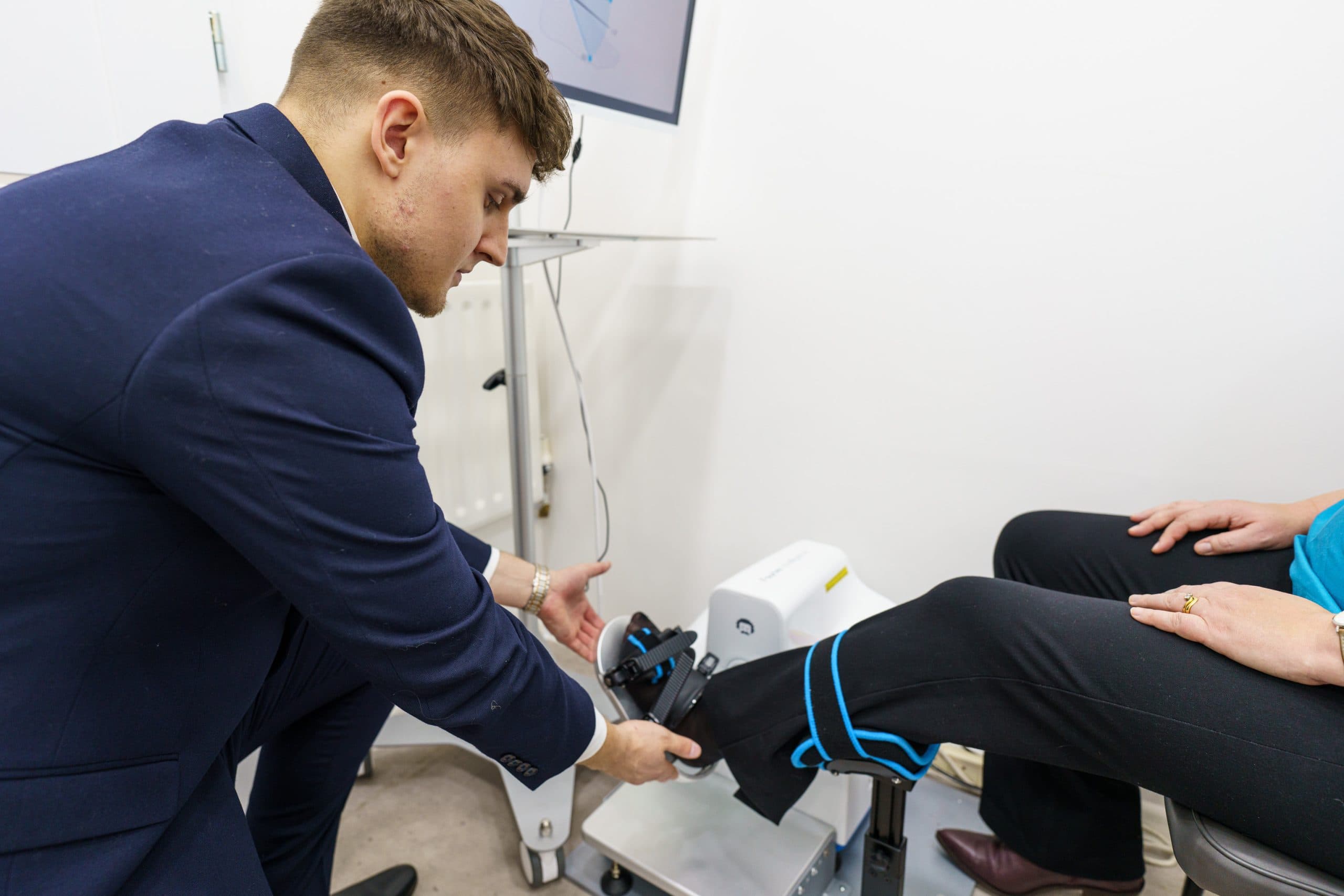
Strength, range and function measured at defined touchpoints, so progression is read from data, not from the calendar or from feel.
Unloading knee brace as a bridge
A conservative, cost-effective measure to offload an arthritic compartment and delay or avoid surgery, where the evidence supports it. Professor Lee has published on its cost-effectiveness in unicompartmental knee arthritis.
Blood-flow restriction training
An established rehabilitation technique to rebuild strength at low load when full loading is not yet safe, used where it is clinically indicated.
Prehabilitation, what the operation walks into
Prehab is structured physical preparation in the weeks before a planned operation. The evidence is consistent: patients who arrive at surgery stronger and better-conditioned recover faster, measurably so.
This is not a vague wellness recommendation. It is a clinically defined intervention, and it is part of how Professor Lee plans elective surgery.
- Stronger pre-operative muscle baseline → faster post-operative recovery
- Better aerobic capacity → smoother anaesthetic and surgical course
- Realistic expectation setting → measurably better psychological outcomes
- Established physiotherapy relationship → seamless continuity into rehab
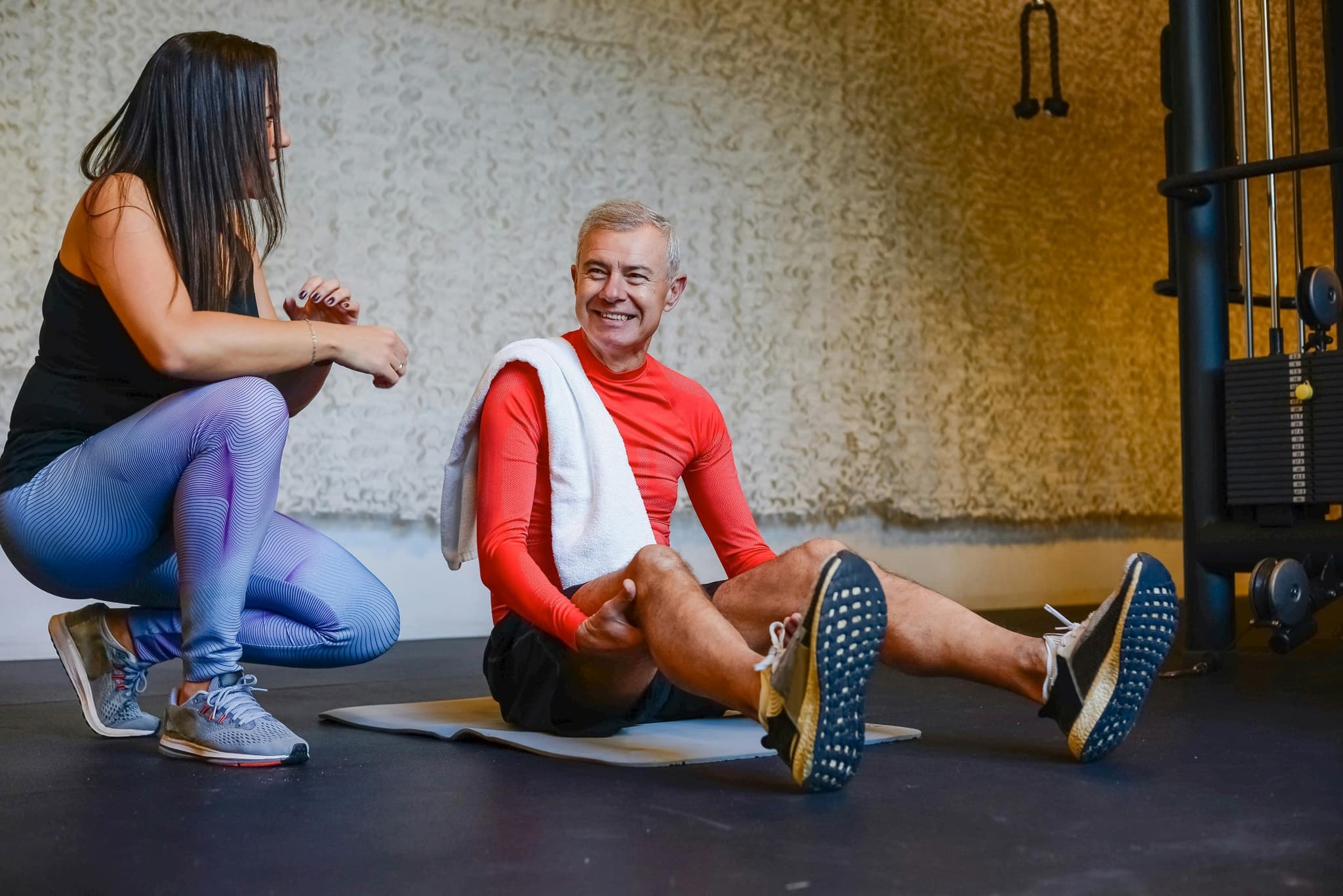
Recovery after surgery, criteria, not calendar
Time-based protocols are how clinicians organise diaries. Criteria-based progression is how patients actually achieve their goals. The two are very different things, and the second produces meaningfully better outcomes.
Criteria-based rehab asks: has this patient earned the next milestone? Strength symmetry, range, neuromuscular control, confidence under load. Not: has the calendar moved forward?
Sleep, strength, and the biology of regeneration
Sleep is the largest single under-attended-to recovery input. Most tissue repair happens overnight. Most hormonal regulation runs on a circadian rhythm. Patients who sleep poorly do not just feel worse, they recover differently.
Strength training is the second. The muscle envelope around a joint is what protects it long-term. A surgical repair without rebuilt strength is an intervention without infrastructure.
Add structured nutrition, sensible loading, and inflammation management, and what looks like "just rehab" becomes a coordinated regeneration strategy.
Regen PhD, systems thinking applied to recovery
Regen PhD is the broader systems framework behind Professor Lee's recovery work, built on the principle that a body is a system, not a collection of joints, and that recovery is best engineered rather than left to chance.
The principles below are not specific to one operation, one joint, or one patient. They apply across the whole arc, from prehabilitation, through surgery, into long-term regeneration and longevity.
Systems Thinking
A body is a system, not a collection of joints. Recovery is engineered across the whole system or it underperforms in one part of it.
Measurement
What is not measured drifts. Regen PhD systems track strength, recovery markers, and progression so progress is visible, not assumed.
Longevity
Recovery from injury is the entry point. The long-term frame is how the body holds up across decades, and what to invest in now.
Engineering Mindset
Treating recovery the way an engineer treats a complex system: define the goal, measure the inputs, adjust on the data.
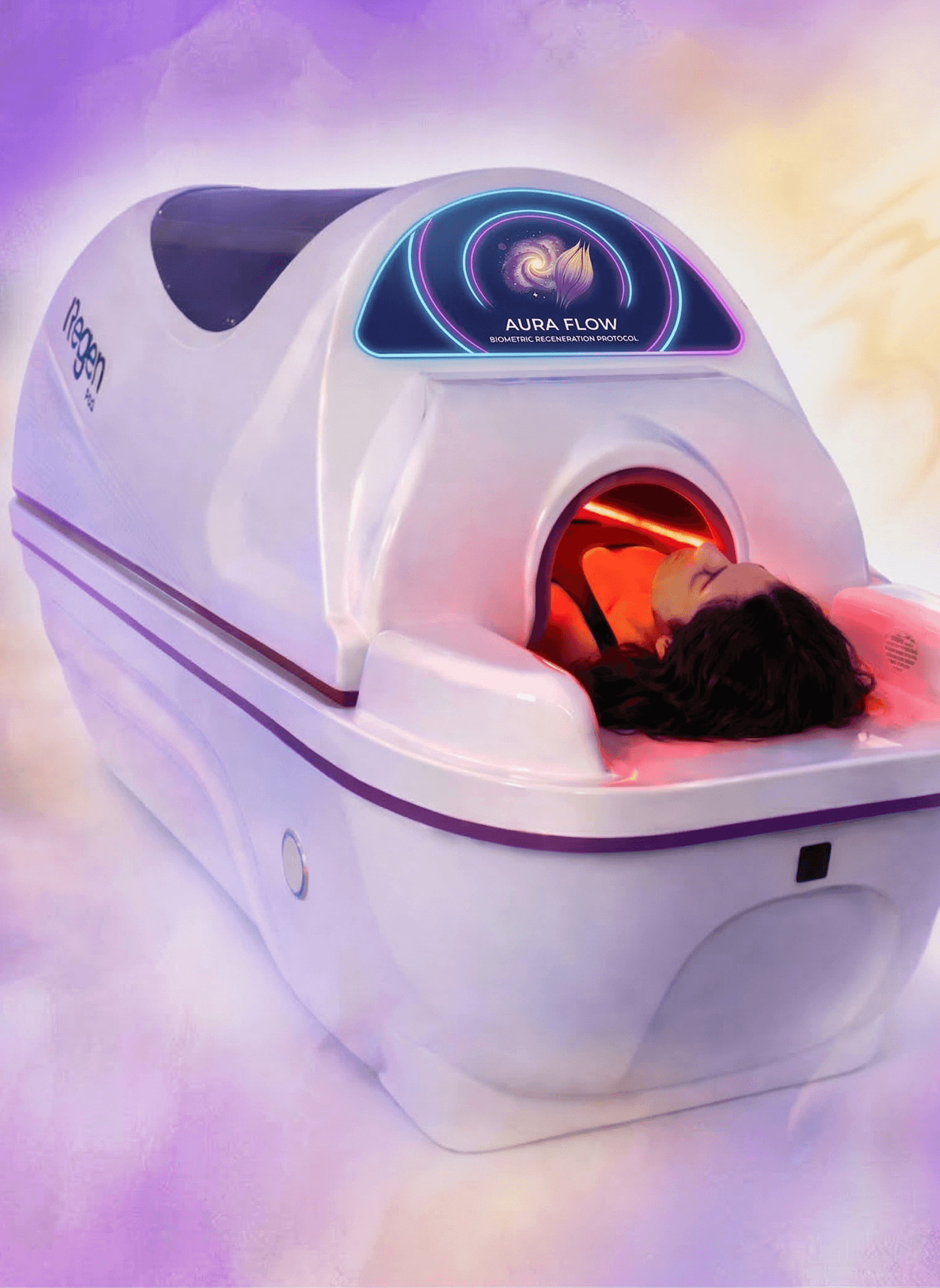

Medical care and recovery optimisation are not the same thing
The optimisation tools, including the Regen Pod and regenOS, support recovery. They do not diagnose, and they are not a substitute for medical treatment. Keeping that line clear is part of the discipline: the medicine is delivered by Professor Lee and the clinical team; the optimisation layer helps it land.
Medical care
Diagnosis, surgery, injections, prescribed physiotherapy and the clinical decisions around them. This is regulated medical treatment, delivered by Professor Lee and the clinical team.
Recovery optimisation
Sleep, nutrition, strength habits, structured progression and the Regen Pod and regenOS tools. These support and accelerate recovery; they do not diagnose or replace medical treatment.
Monitoring progress & recovery
What is not measured drifts. The four monitoring touchpoints below are how recovery progress stays visible, and how decisions get made on evidence rather than on assumption.
Touchpoint 01
Pre-operative baseline
Strength, range, function, and patient-reported markers. The starting point against which everything else is read.
Touchpoint 02
Early post-operative
Swelling, range, neuromuscular activation. Early signals that predict the medium-term trajectory.
Touchpoint 03
Mid-recovery
Loading tolerance, strength progression, return-to-activity readiness, not by time, by criteria.
Touchpoint 04
Late recovery & longevity
Sport-readiness or daily-life-readiness on the patient's own terms. And the long view: what does this joint look like in five years?
Common questions
Prehabilitation is a structured period of physical preparation before a planned operation. The evidence base is consistent: patients who arrive at surgery stronger, better-conditioned, and better-informed recover faster and with measurably better functional outcomes.
It is not a marketing add-on. For elective orthopaedic surgery, joint replacement, ACL repair, cartilage procedures, prehab is now standard practice in well-run centres.
Most tissue repair, hormonal regulation, and central nervous system recovery happen at night. Chronic poor sleep raises systemic inflammation, slows muscle protein synthesis, and reduces the body's capacity to remodel injured tissue. Optimising sleep is one of the highest-impact recovery interventions, and one of the most under-attended-to.
Regen PhD is Professor Lee's broader systems framework for recovery and regeneration , drawing on engineering, longevity science, structured measurement, and the biology of tissue repair. It frames recovery not as something that happens to a patient but as a system that can be designed, measured, and optimised.
You can read more at regenphd.com.
No. The principles apply at every level, the muscle envelope and tissue biology behave the same whether the goal is returning to elite sport or returning to climbing stairs comfortably. The thresholds are different; the principles are not.
Related areas
Cartilage Regeneration
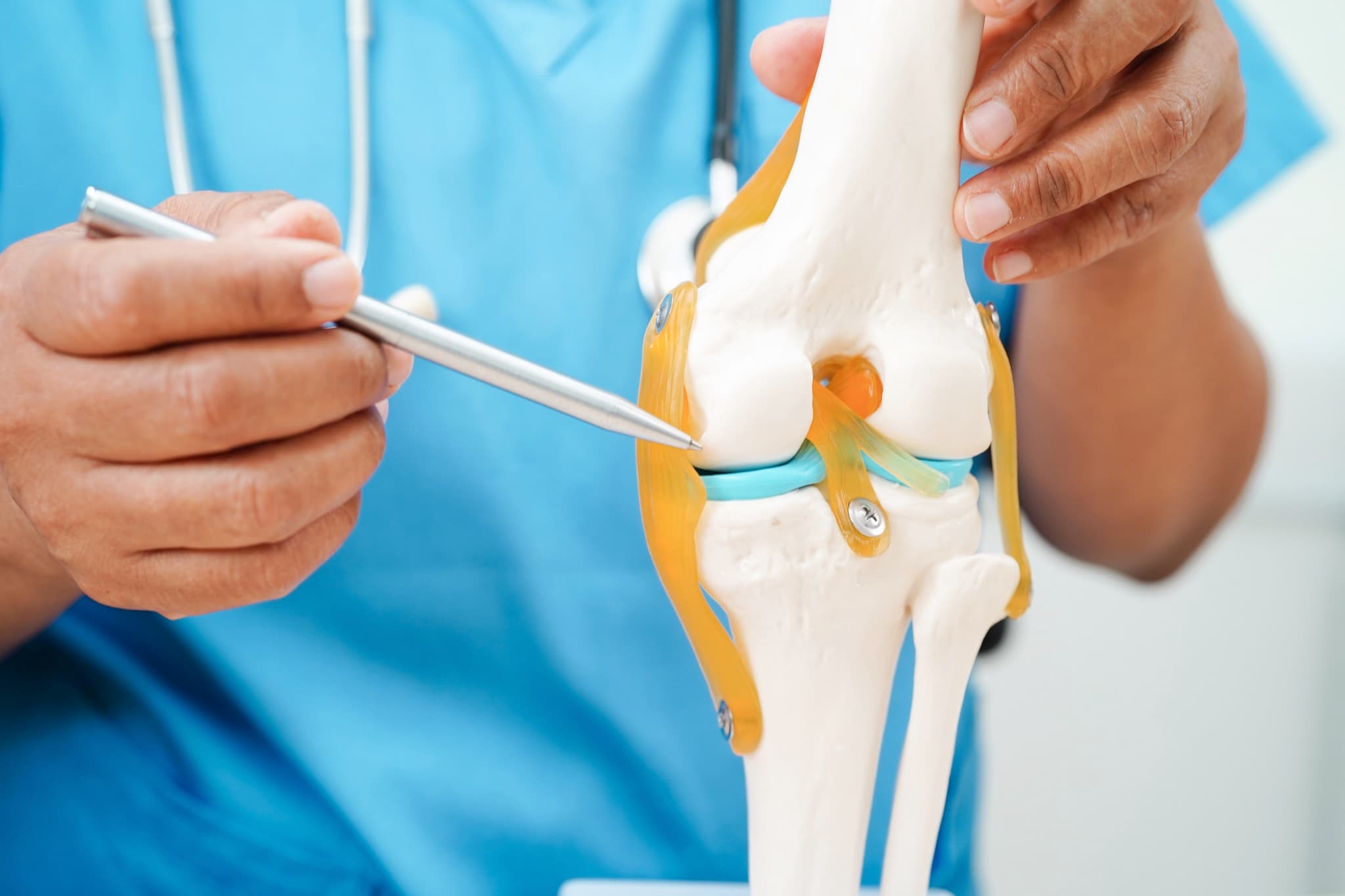
A perfectly executed cartilage repair lives or dies on the recovery layer that follows, the rehab is part of the operation.
Read more
Hip Preservation & SPAIRE
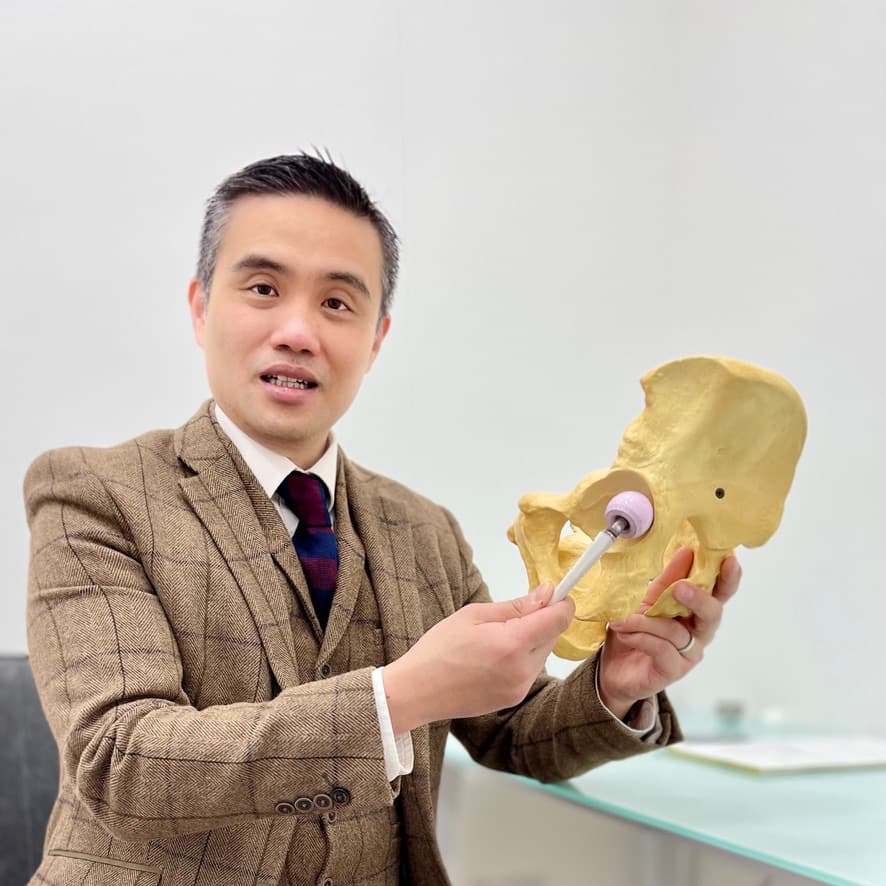
SPAIRE (Save Piriformis And Internus, Repair Externus) keeps the deep rotator muscles attached during hip replacement so the recovery layer can do its work, same implant, better surgical conditions.
Read more

ACL & Sports Knee Injuries
Return to sport is built across months of structured progression. Time-based protocols are not enough.
Read more
The result a patient feels is built, not given
Evidence-based rehabilitation, then optimised
Structured physiotherapy, objective testing and conservative bridges as the well-proven foundation, with prehab, sleep, strength, nutrition and Regen PhD systems thinking layered on top. The recovery layer is what turns a good operation into a good outcome, and a good outcome into a good decade.